Positive impact stories: Maas Cleanup
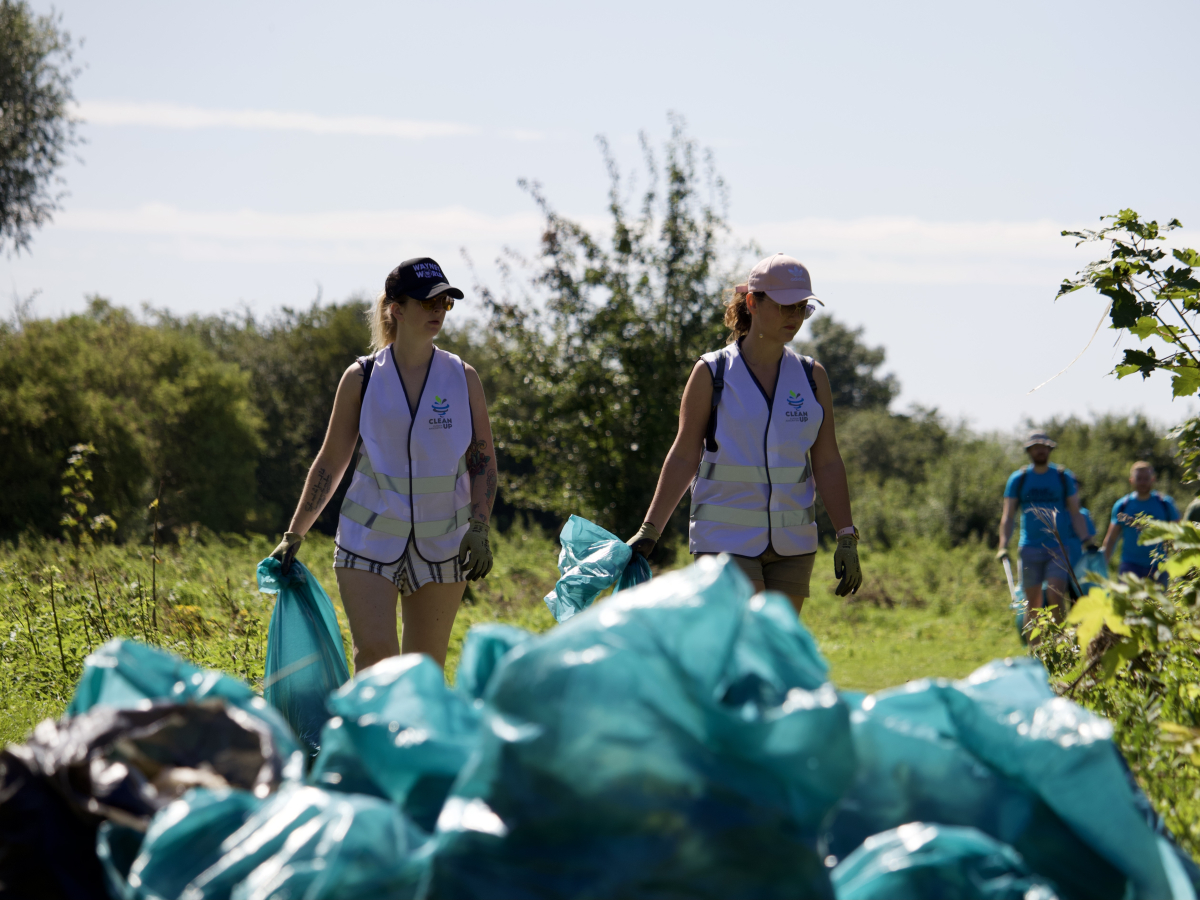
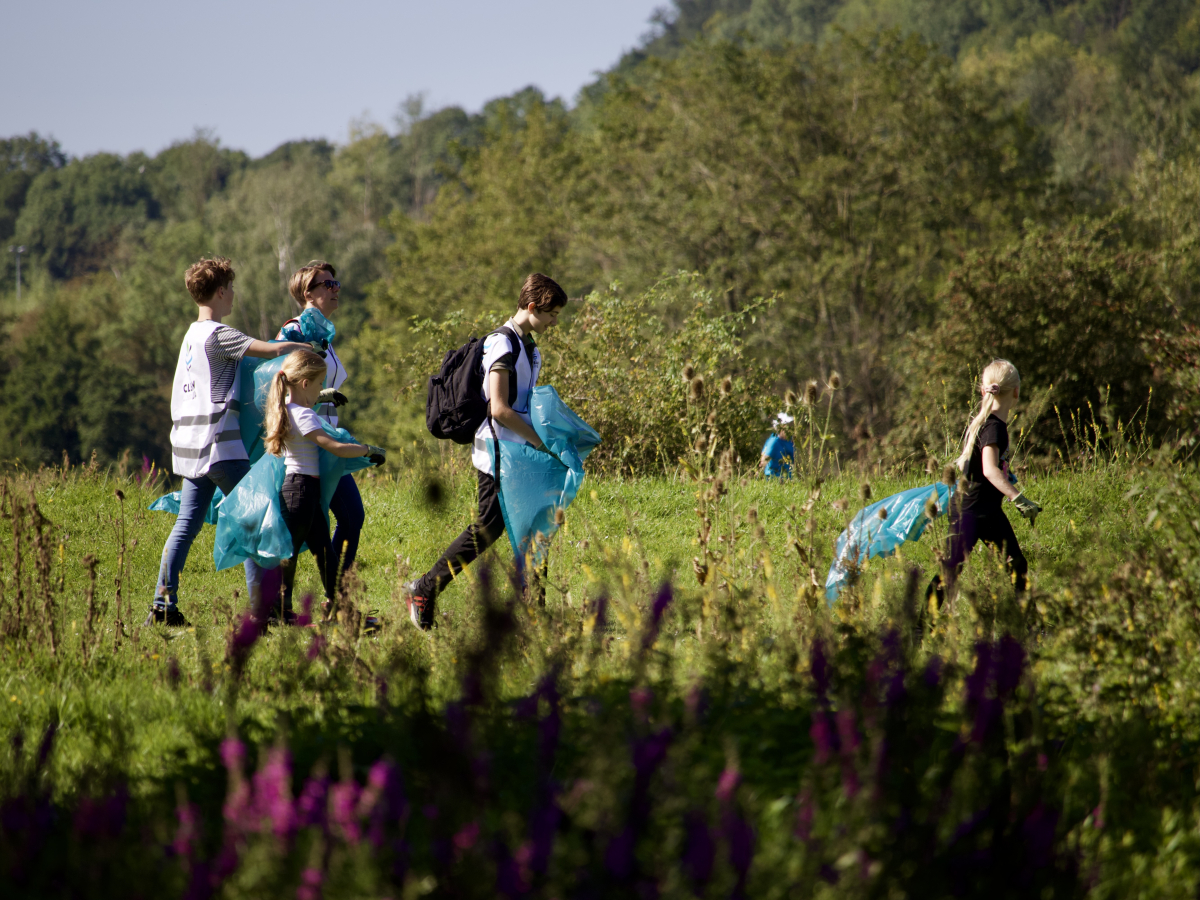
The idea of Maas Cleanup arose at the end of 2019. The man behind the idea is Huub Waterval, who has since been one of the driving forces behind the initiative that brings entrepreneurs, organizations, and volunteers together. A look back at the start and a look ahead. About headwinds with skepticism and resistance and about tailwinds with enthusiasm and ideas.
“The idea was born out of annoyance. In October 2019 I attended the kick-off conference of the regional project 'Litter free rivers and streams' (LIVES) and it was a bit of an in-crowd there. I was the only entrepreneur in the room and I saw opportunities for more effectiveness. I said something about it and that turned into a heated discussion. There was resistance because organizations feared that if companies came on board, they would want to have their share of the subsidies. I thought that you should not designate the business community as the cause, but should see it as part of the solution. Perhaps some eyes were opened there.
“Look, Maas Cleanup is independent. That is quite exciting for the organizations that are involved with water. And volunteers who were there long before us turned out to be skeptical at first. Like: we've been doing this for years, then they come and take the credit. And of course, the fear that we would demobilize existing actions. These were mainly in spring, so we moved Maas Cleanup to the autumn.”
From the start: tailwind for a marathon
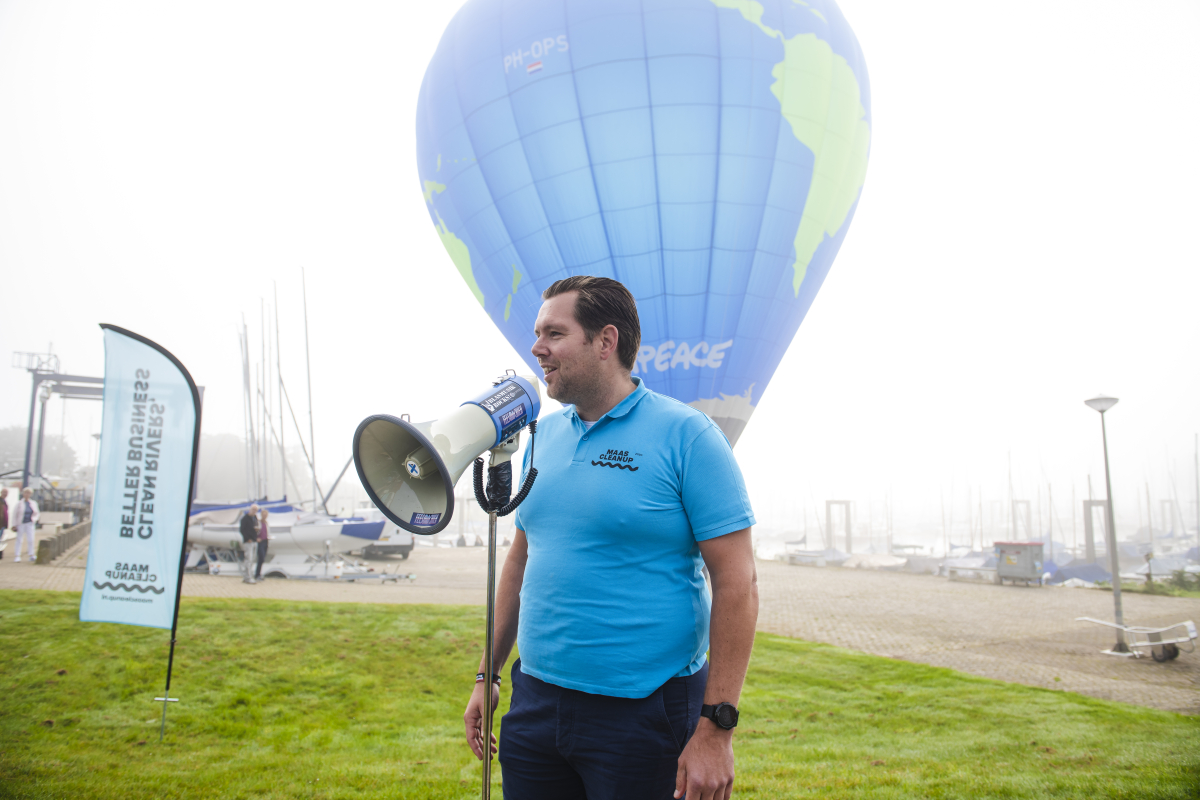
After a newspaper article about the discussion during the LIVES conference, it went very quickly from a sprint to a marathon, from one day of cleaning up in Maastricht to an action lasting at least three years along the entire Limburg Meuse. Huub Waterval:” I was involved in a Plastic Whale, which was such a success in Amsterdam. I thought: what can I do with that idea here in Maastricht, cleaning up and reusing plastic waste? You know the song 'Van Eijsden tot de Mookerhei', so it became 'all of Limburg in 1 day plastic-free”.
Just cleaning everything up in one day, when I spoke to DSM and Oostwegel, they immediately joined in. Viastory spontaneously came forward when they read about the idea in the newspaper, and DSM said: If we participate, then it's for three years. So we went from one day to three years in one go. In a short period of time, so many people and companies wanted to participate, leading us to look for a project leader.40 people applied. Really, the start was overwhelming. The support we received for the first cleanup day exceeded our wildest expectations. It is crucial to give credit to all the volunteers and their organizations who have been working for years, enabling Maas Cleanup to achieve this success.
From the start: making the right choices
The flying start of the initiative meant that a lot of decisions had to be made at a rapid pace. It already started with the choice of sponsors: who do we ask and what do we ask for. “In the beginning, we thought carefully and strategically about which companies we wanted to get on board. Through my company, we got Salesforce as a sponsor. That allowed us to develop a digital clean-up card that helps our volunteers to quickly organize actions.”
Companies also spontaneously knocked on our doors, willing to get on board with Maas Cleanup. “In the beginning, the participation of companies brought a lot of questions about how to arrange things. This was one of the first challenges we encountered. We had to make it clearer that participation is more than sponsoring, giving money is not enough.
Finding the right partners
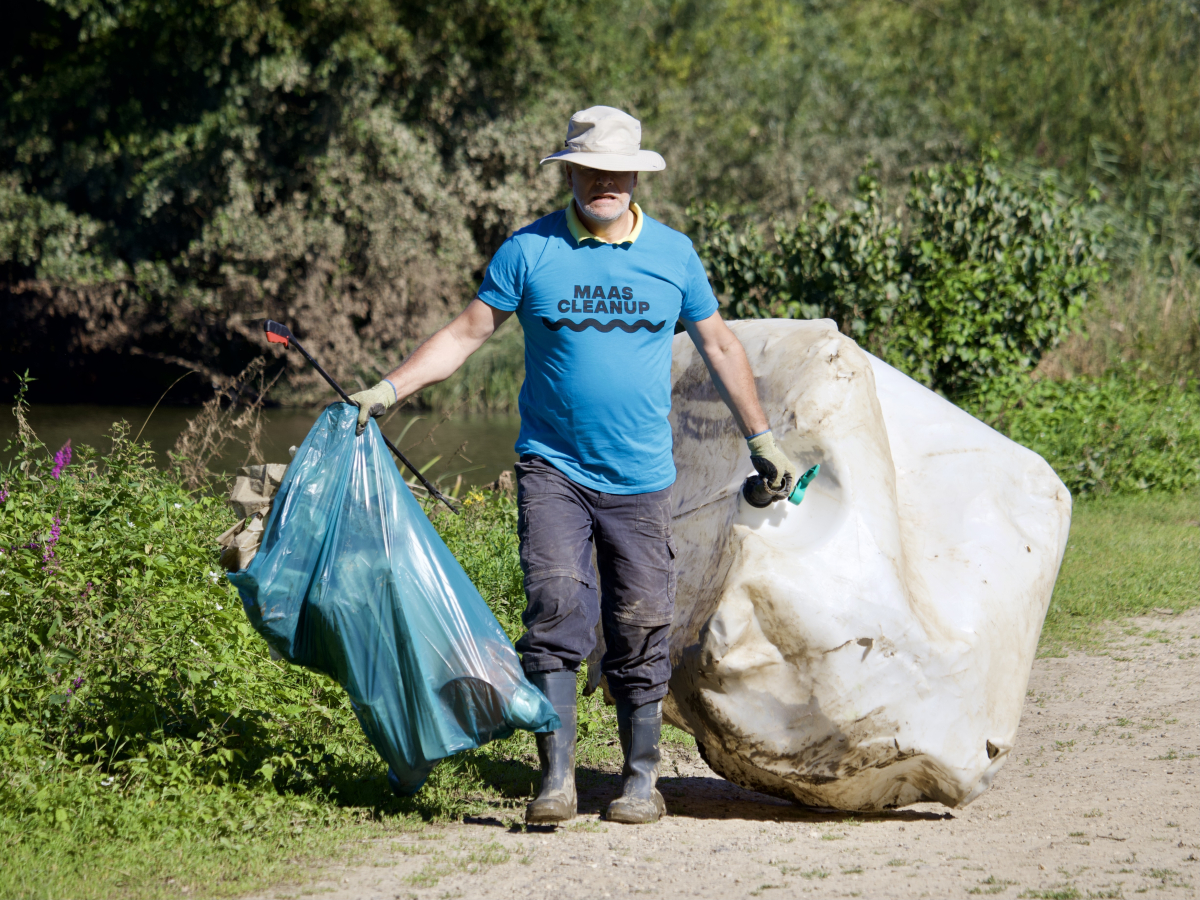
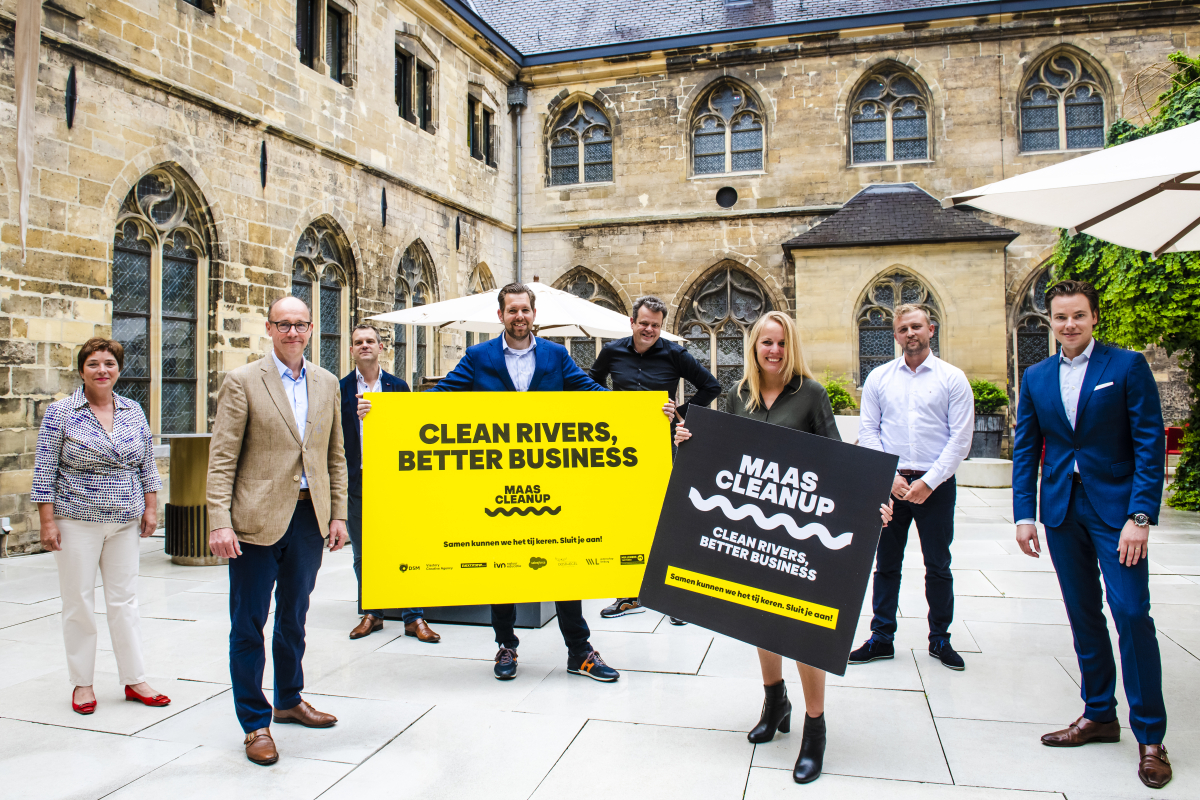
Anyone who, as an entrepreneur, wants to participate to only appear sustainable has come to the wrong place at Maas Cleanup. Entrepreneurs who participate now, choose to give the environment and society an important role in business decisions. Huub Waterval states: “There is more to it than picking litter once a year. We want to inspire entrepreneurs and show that joining an initiative such as Maas Cleanup has a positive influence on your company. I am convinced that every company should be socially responsible.
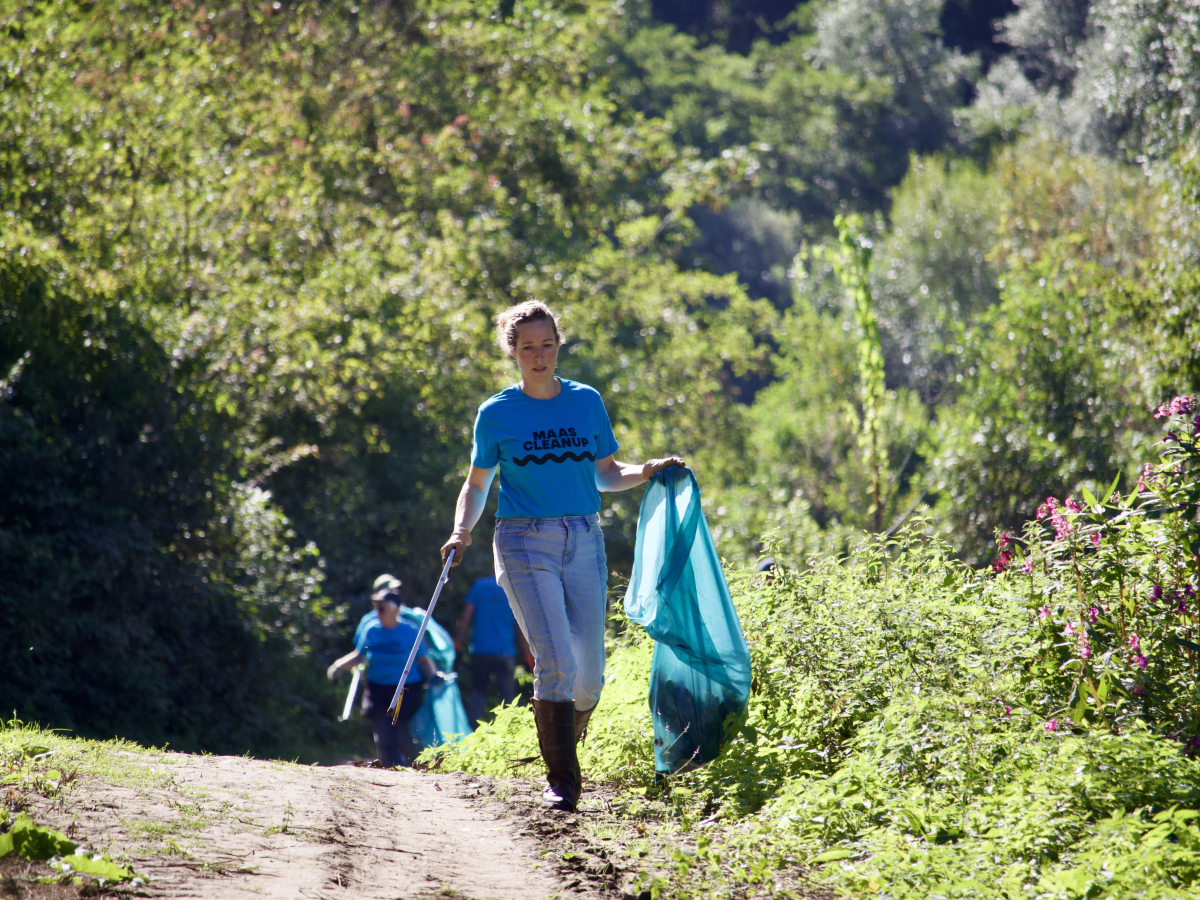
As a participant, you need to take the step from being just a sponsor who transfers money to being a partner. We ask for personal involvement, for you to be inspired by the ideas behind Maas Cleanup. We could use a lot more like-minded entrepreneurs, who also put their shoulders to the wheel in their own company, who make 'nothing' into 'something'. We are now working on that in our network.”
More is needed than cleaning up
The clean-up campaigns have mobilized thousands of people, but cleaning up is the tip of the iceberg. Preventing pollution is the ultimate goal. Maas Cleanup is also working on this, with the companies that participate in the initiative, but it is also done innovatively. In 2021, Maas Cleanup launched a campaign to give the Meuse river rights through new legislation; the right not to be polluted. A guardian (‘let Maas Cleanup be that guardian') must be authorized to supervise this on behalf of the Meuse.
The initiative takes the form of a petition that was presented to the House of Representatives at the end of March 2022. Huub Waterval: “It is clear that the Meuse needs a guardian. Just look at the discharge permit for the Chemelot site. This allows 21,000 kilos of plastic and 126,000 m3 of wastewater containing 640 different substances to be discharged into the Meuse every year. When you read that, it is clear to me that the economic interest and the ecological interest are completely out of balance here.”
The future: Tailwind or headwind?
A lot of work has been done in Maas Cleanup since the autumn of 2019. The sprint has become a tough marathon that demands a lot. Huub Waterval: “Maas Cleanup provides a lot of energy, but also costs us a lot of energy. If we want to keep up with this, we have to make choices. In two years we have achieved the luxury position of being able to opt for quality over quantity. That is why we have chosen three priorities: the large Maas Cleanup in September, the follow-up of the 'Maas in de Wet (the Meuse in the Law)' petition, and improving our digital platform to help the volunteers. We are also going to professionalize the organization by setting up a project office.”
Important - because prevention is better than cleaning up - is also the action, together with engineers from Arcadis, to find out how the Lixhe weir can play a role as a dirt-trap. A role that the weir in Borgharen then also can play.
Maas Cleanup has had no complaints about tailwinds. “When we started, no one thought this was possible. Look at where we are now.” But in the upcoming years, headwinds will not be lacking either. Huub Waterval does not consider this to be a problem: “As Maas Cleanup, we are allowed to stay critical. We come with a fresh perspective, we think it is our role to ask questions and take initiative. If we don't, we become part of a status quo. Then we will not achieve our goals and we will lose our credibility with the volunteers.”