Salesforce Winter '24 Release
Exploring the Salesforce Winter '24 Release for Revenue Cloud
Heleen Jansen Schoonhoven, Managing Salesforce Consultant at Nextview Consulting, shares her top picks from the new features for Revenue Cloud as part of the Salesforce Winter 2024 release.
Visualize Data for Both Standalone and Bundled Assets
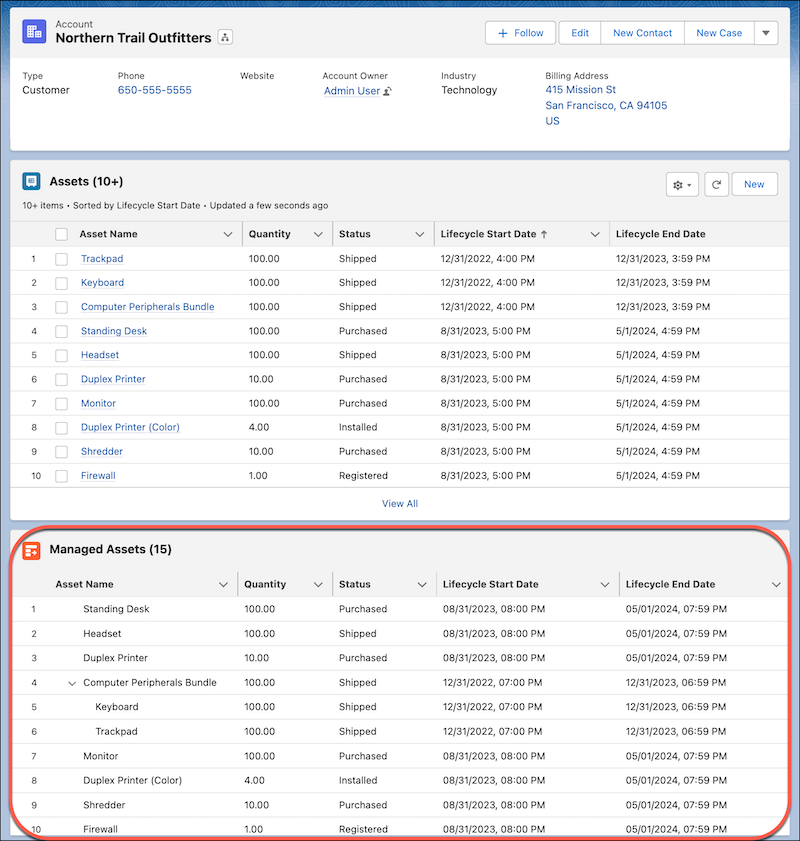
Salesforce's latest update is set to transform the way sales representatives view and manage customer assets. With the introduction of the Transaction Line Editor component to the Account page, users can now get a comprehensive view of all managed assets, both standalone and those included in bundles.
This change is rolled out for users of Sales Cloud and Service Cloud operating in Lightning Experience, available for Enterprise, Unlimited, and Developer editions with a Subscription Management license. Moreover, this update extends to Aura, LWR, and Visualforce pages accessed through Lightning Experience.
The motivation behind this enhancement was to solve a previous limitation where users were unable to view the structure and details of bundled assets. With this update, by simply expanding an asset, users can now see all the included products in a bundle, giving them a more informed and detailed view of customer purchases and subscriptions.
To bring this capability to life, ensure that the Assets related list is added to the Account record page. Then, using the Lightning App Builder, you can drag and drop the Transaction Line Editor onto the Account record page, choose the columns you want to display, and save. This will make the Managed Asset viewer readily available on the page, significantly improving the asset management experience for sales teams.
Increase Partner Engagement With Partner Discounting
Salesforce has introduced an exciting feature that aims to bolster partner relationships and collaboration. The latest update brings enhanced discounting options to Quotes and Quote Lines, specifically tailored for Partner Sales. This enhancement enables partners to apply additional discounts to standard customer prices, providing a more dynamic and competitive edge to partner engagements.
This new functionality is available in Lightning Experience across Professional, Enterprise, Performance, Unlimited, and Developer editions, assuming that both Subscription Management and Partner Community features are enabled.
For users to take advantage of these new discounting capabilities, they require either the RevenueSubscriptionManagementExperienceCloudUser or RevenueSubscriptionManagementExperienceCloudPartnerUser permission set licenses.
The upgrade adds new fields within the Quote Line to enrich the discounting process:
- Partner Account: This lookup field links the partner's account to a specific quote.
- Partner Discount Percent: It allows specification of the discount percentage that partners receive on a quote line.
- Partner Unit Price: This reflects the unit price after the partner discount has been applied to the quote line.
Administrators can implement these new fields on Visualforce Page layouts, thereby empowering partners to customize discounts directly on quote lines for their customers. This strategic move not only enhances the quoting process for partners but also aims to drive increased engagement and satisfaction within the partner ecosystem.
Annual Label Is Now Years
Salesforce is making a subtle yet important change to the way terms are labeled in its Sales and Service Clouds to enhance clarity and understanding. In the latest update, the "Annual" label used for the Pricing Term Unit field has been switched to "Years." This change affects three main objects: the Asset, Product Selling Model, and Quote Line Item. Additionally, similar updates have been made to the Renewal Term Unit field on the Asset object and the Subscription Term Unit field on the Quote Line Item object.
This terminology update is implemented across the Lightning Experience within Sales Cloud and Service Cloud, available to users who have an Enterprise, Unlimited, or Developer edition with a Subscription Management license. The updated labeling is also consistent across Aura, LWR, and Visualforce pages accessed via Lightning Experience in the same editions.
The shift from "Annual" to "Years" is a move towards greater precision, eliminating any ambiguity about the duration that the term refers to. By opting for "Years," Salesforce ensures that users across its platforms have a clear, uniform understanding of the time-related aspects of their sales and services contracts. This seemingly small change in labeling is part of Salesforce's ongoing efforts to streamline user experience and make its platform as intuitive as possible.
Do you want to learn more about the impact of this Release for Revenue Cloud?
Connect with Lars, Glenn or Regina

